Common Causes of Sewage Backup That Require Emergency Sewage Cleanup Services
Sewage backups in residential areas pose significant health hazards and property damage risks. Understanding the causes behind these incidents can help homeowners take preventive measures and know when immediate intervention is necessary.
Whether due to environmental factors or infrastructural issues, sewage backups can disrupt family dynamics and lead to costly repairs. This article will explore the typical causes of sewage backups, including tree root intrusion, heavy rainfall, and signs indicating the need for professional Sewage Cleanup Services. Additionally, it will touch upon how these incidents can affect home safety and eco-friendly living.
Common Causes of Sewage Backup in Residential Areas
Residential sewage backups often result from blockages in the sewer lines. These blockages can be caused by improper disposal of household items such as cooking grease, sanitary products, and non-biodegradable waste. Homeowners should perform regular maintenance checks, including home safety audit procedures, to ensure their plumbing systems are clear of obstructions. Furthermore, outdated sewage systems might not support modern home automation protocols and increased water usage, leading to frequent backups.
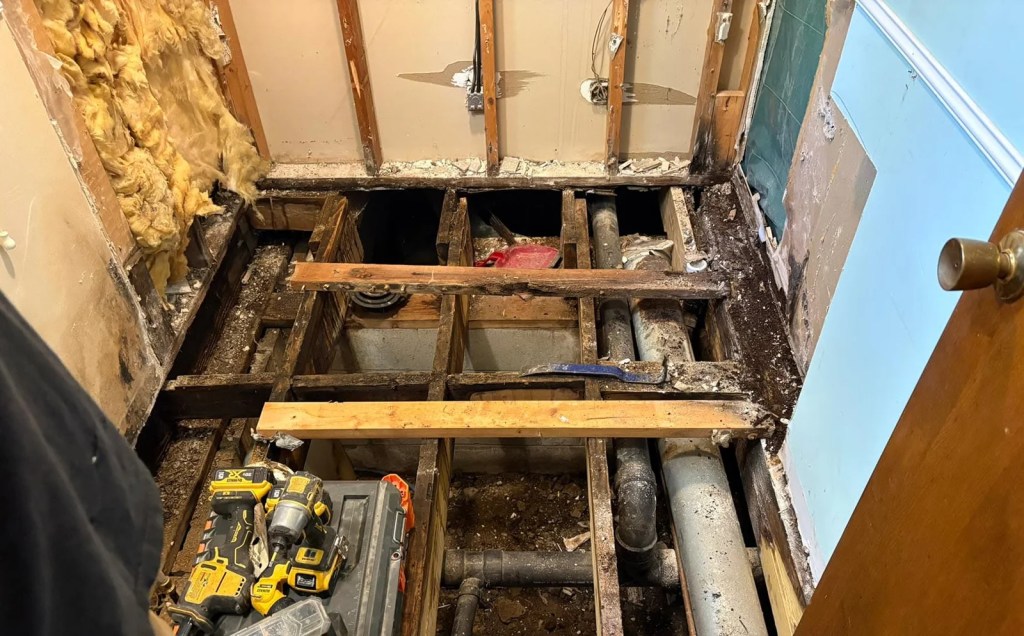
Another common cause is the failure to comply with childproofing compliance standards, which may include ensuring that young children do not flush inappropriate items down the toilet. Families should also consider energy efficiency audits to assess the condition of their appliances and fixtures, as outdated systems can exacerbate sewage problems.
Moreover, structural issues in older homes can contribute to sewage system inefficiencies. Multi-generational living strategies may increase water usage, necessitating upgrades to the sewage infrastructure to accommodate the higher demand.
Impact of Tree Roots on Sewage Systems
Tree roots are a notorious cause of sewage backups in residential areas. As trees grow, their roots can infiltrate sewer lines seeking moisture, causing blockages and ruptures. Homeowners often overlook the proximity of trees to underground plumbing during landscaping projects. Sustainable landscaping practices suggest planting trees at a safe distance from sewage lines to prevent root intrusion.
Regular inspections using indoor air quality monitors can help identify early signs of sewage leaks caused by tree roots. These monitors can detect changes in air quality, which may indicate a compromised sewage system. Furthermore, utilizing smart home integration systems can alert homeowners to unusual water usage patterns, potentially signaling a blockage.
Homeowners should consider consulting with professionals who use family dynamics assessment tools to evaluate the potential risks associated with tree root growth near sewage lines. These tools offer insights into how environmental factors might impact home infrastructure.
Effects of Heavy Rainfall and Flooding on Sewage Infrastructure
Heavy rainfall and flooding can overwhelm residential sewage systems, causing backups. During such weather events, the increased water volume can exceed the capacity of sewer lines, leading to overflow. Transition planning for aging parents should include considerations of local flood risks, especially in areas prone to heavy rainfall.
Eco-friendly insulation materials can help protect homes from water infiltration during floods, reducing the risk of sewage backups. Regular inspections and maintenance of sewage systems, including behavioral analysis software, can predict stress points within the infrastructure that might fail during extreme weather conditions.
Recent research by the EPA highlights the importance of upgrading sewage systems in flood-prone areas to mitigate the risk of backups. Homeowners should stay informed about local rainfall patterns and consider investing in systems that can handle increased water flow.
Signs You Need Emergency Sewage Cleanup Services
Recognizing the signs of a sewage backup early can prevent severe damage. Foul odors, slow drainage, and water pooling in unexpected places are immediate indicators that professional intervention is necessary. Family members should be aware of child development milestones that might affect bathroom usage, such as potty training, which can lead to accidental blockages.
Domestic violence risk assessment tools can also offer insights into household stress factors that might correlate with plumbing issues, as these tools assess the overall environment and its impact on family well-being. Homeowners should keep emergency contact information for sewage cleanup professionals readily available.
During peak weather conditions, such as heavy rainfall, keeping indoor air quality monitors active can indicate compromised sewage infrastructure. Families should consult with professionals if any unusual changes in air quality or water flow are detected.
Conclusion
Understanding the common causes of sewage backups in residential areas is vital for maintaining a safe and healthy living environment. Homeowners should approach sewage system maintenance proactively, considering factors like tree roots, heavy rainfall, and household practices that may contribute to blockages. Investing in preventative measures such as sustainable landscaping and utilizing smart home technologies can significantly reduce the risk of sewage backups. Being vigilant about signs of sewage issues ensures timely intervention, safeguarding both property and family well-being.

Axee Davies is the founder of AxeeTech, publishing gaming guides, codes, and Windows how-tos since March 2013. A tech enthusiast for 13+ years — starting with smartphones and Android rooting — he now runs a site that puts out a new guide every day for Roblox players, traders, and Windows users. More about AxeeTech