Connecting Your Debt Strategy With Wealth Building
Debt Should Have a Job
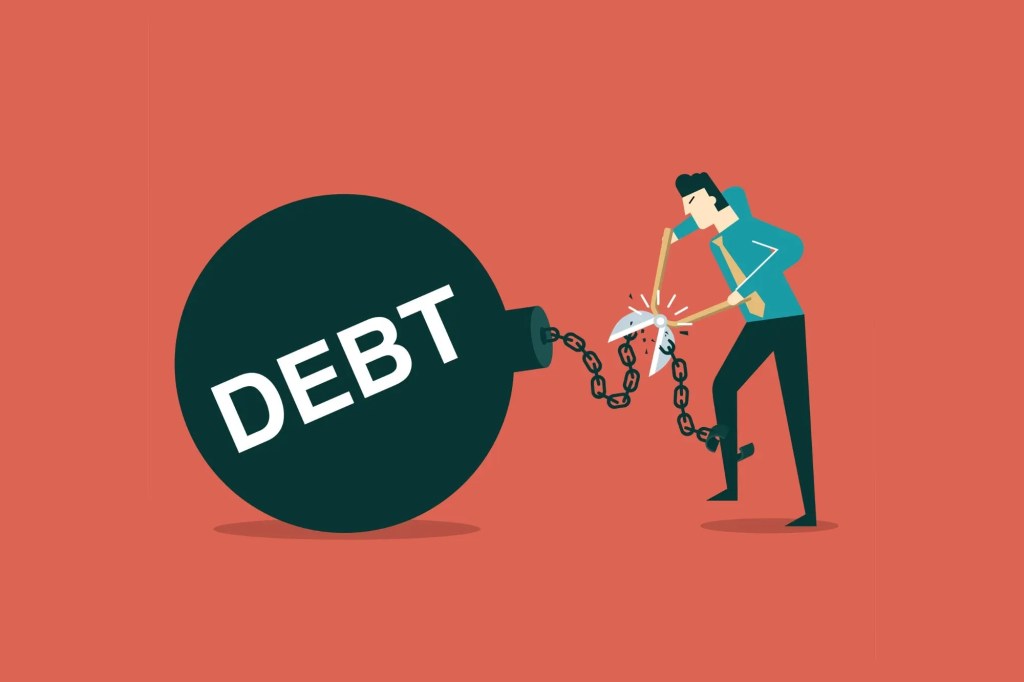
Debt is often talked about like it is always the enemy. That makes sense when people are dealing with high interest balances, stressful minimum payments, or purchases that lost value almost immediately. But debt itself is not always the problem. The bigger question is whether the debt has a useful job.
A strong wealth building plan looks at debt differently. It asks what the borrowed money is doing, what it costs, what risk it creates, and whether it can help increase long term value. If credit card balances have already become difficult to manage, learning about Credit Card Debt Relief may help people explore possible ways to reduce pressure before trying to build wealth more aggressively.
Not All Debt Pulls in the Same Direction
Some debt drags your future backward. Other debt may help build future options if it is used carefully. The difference is usually found in the purpose, cost, and expected result.
Debt used for depreciating goods, impulse spending, or lifestyle upgrades can become a weight because the balance remains after the benefit fades. A vacation ends. A gadget gets old. A car loses value. The payments keep going.
Debt used for education, real estate, or a business can be different because it may support earning power, asset growth, or income production. That does not make it automatically safe. It simply means the debt might be connected to a future return instead of only a past purchase.
Good Debt Still Needs Good Math
Calling something “good debt” can be dangerous if it becomes an excuse to borrow without discipline. A student loan can support a stronger career, but not every program produces enough income to justify the cost. A mortgage can help someone build equity, but only if the payment fits their real cash flow. A business loan can help growth, but only if the business can actually repay it.
Good debt needs numbers behind it. What is the interest rate? What is the payment? How long will repayment take? What income or value could the debt help create? What happens if the plan takes longer than expected?
A wealth building debt strategy is not based on optimism alone. It is based on whether the likely return is stronger than the borrowing cost, after accounting for risk.
Leverage Can Build Wealth or Magnify Mistakes
Leverage means using borrowed money to control or purchase something larger than you could afford with cash alone. In real estate, that might mean using a mortgage to buy a property that can appreciate over time. In business, it might mean borrowing to buy equipment that increases revenue.
The powerful part of leverage is also the risky part. It magnifies outcomes. If the asset grows, your return can be stronger. If the asset falls in value or stops producing income, the debt still has to be paid.
Investor.gov explains that leveraged investing strategies attempt to magnify returns through borrowing or other tools, but they also carry significant risk. That same warning applies in everyday financial life. Borrowed money can accelerate progress, but it can also accelerate damage.
Cash Flow Decides How Much Risk You Can Carry
Net worth gets attention, but cash flow pays the bills. Before using debt to build wealth, you need to know whether your monthly income can handle the payment comfortably.
A property may look like a good investment, but if repairs, vacancies, taxes, insurance, and loan payments strain your budget, the pressure can become serious. A business loan may seem smart, but if revenue drops for a few months, the payment can turn into a threat.
Good debt strategy protects cash flow first. That means keeping an emergency fund, avoiding overextended payments, and leaving room for surprises. Wealth building works better when you are not one unexpected bill away from panic.
Your Credit Score Is Part of the Strategy
A strong credit profile can reduce borrowing costs. Lower interest rates mean more of your money can go toward building value instead of paying interest. That matters when you are financing a home, education, vehicle, or business need.
The Consumer Financial Protection Bureau’s resources on credit reports and scores explain how credit reports and scores affect finances and how people can review, correct, and improve their credit record over time. This is not just paperwork. It is part of wealth building infrastructure.
Paying on time, keeping balances low, reviewing reports, and avoiding unnecessary applications can help protect your options. When your credit is stronger, you may have more room to choose favorable terms instead of accepting expensive ones.
High Interest Debt Usually Comes First
It is hard to build wealth while high interest debt is growing in the background. If a credit card charges a high rate, investing small amounts elsewhere may not make sense until the debt is under control. The interest can quietly erase progress.
That does not mean every dollar must go to debt before you do anything else. Some people still need a small emergency fund, retirement contributions with an employer match, or basic insurance protection. But high interest debt deserves serious attention because it competes directly with wealth building.
A useful approach is to rank debt by interest rate, balance, payment, and emotional stress. Then choose a repayment plan that reduces the cost while keeping you motivated.
Assets Should Outlive the Payments
One simple test for debt is this: will the benefit last longer than the payment? If you borrow for something that disappears quickly, you may still be paying long after the value is gone. That is how debt becomes frustrating.
Wealth connected debt should ideally support something that lasts, grows, earns, or improves your future capacity. A useful degree, a reasonable home, income producing equipment, or a business system may have long term value. Even then, the terms must make sense.
Debt should not just help you get something now. It should help your future self stand on stronger ground.
Build a Debt Map Before You Build a Wealth Plan
Before deciding whether to invest more, borrow more, or pay debt faster, create a full debt map. List every balance, interest rate, payment, due date, and purpose. Then separate the debt into categories: survival debt, lifestyle debt, investment related debt, and strategic debt.
This gives you a clearer view of what is helping, what is hurting, and what needs attention first. It also prevents vague thinking. You are no longer saying, “I have debt.” You are saying, “This debt costs this much, serves this purpose, and affects my cash flow this way.”
That clarity makes better decisions possible.
Use Debt as a Tool, Not an Identity
Debt can carry shame, but shame is not a strategy. A better approach is to evaluate debt like a tool. Some tools are useful. Some are dangerous. Some were useful once but no longer fit the job. Some need to be put away before they cause damage.
Connecting debt strategy with wealth building means thinking in systems. Pay down what drains you. Protect cash flow. Build credit strength. Borrow only when the likely long term benefit justifies the cost and risk. Use leverage carefully. Keep your future flexibility in mind.
Debt does not have to block wealth building forever. But it has to be managed with purpose. When every borrowed dollar has a clear job, a reasonable cost, and a realistic payoff, debt becomes less of a trap and more of a decision you can control.

Axee Davies is the founder of AxeeTech, publishing gaming guides, codes, and Windows how-tos since March 2013. A tech enthusiast for 13+ years — starting with smartphones and Android rooting — he now runs a site that puts out a new guide every day for Roblox players, traders, and Windows users. More about AxeeTech
More How to You May Like
 Top 3 Free online MBOX to PST Converters
 Windows Resource Protection Could Not Start the Repair Service
 Night Light Not Working in Windows 11: 7 Easy Fixes
 Windows 11 Update Stuck at 46%: 7 Proven Fixes
 Start Menu Not Working in Windows 11: 7 Fixes That Work
 Repair Windows 10 From USB: 7 Step-by-Step Fixes
 BitLocker Waiting for Activation: 6 Fixes That Work
 Windows RE Image Was Not Found: 6 Fixes That Work [Repair Builder]