Reframing Debt as Part of the Human Experience
Debt Is Not a Character Test
For a lot of people, debt feels less like a financial condition and more like a verdict. A balance shows up on a statement, and somehow it starts telling a story about discipline, intelligence, ambition, or worth. That is part of why debt can feel so heavy. The numbers matter, of course, but the meaning we attach to those numbers often hurts just as much.
That is why it helps to look at debt from a wider lens. If you are dealing with personal obligations, credit cards, student loans, or even exploring options like business debt relief, the first shift is not mathematical. It is emotional. Debt is not proof that you failed some secret test of adulthood. In many cases, it is what happens when human needs collide with an imperfect economy, rising costs, uneven opportunity, and the very ordinary desire to survive, build, protect, and hope.
Seen that way, debt becomes less of a confession and more of a human document. It records moments when life required resources before cash was available. A move, a degree, a medical bill, a slow business season, a family emergency, a period of inflation, a layoff, a dream that took longer than expected. Debt often enters the picture not because people are reckless, but because life rarely arrives on a neat payment schedule.
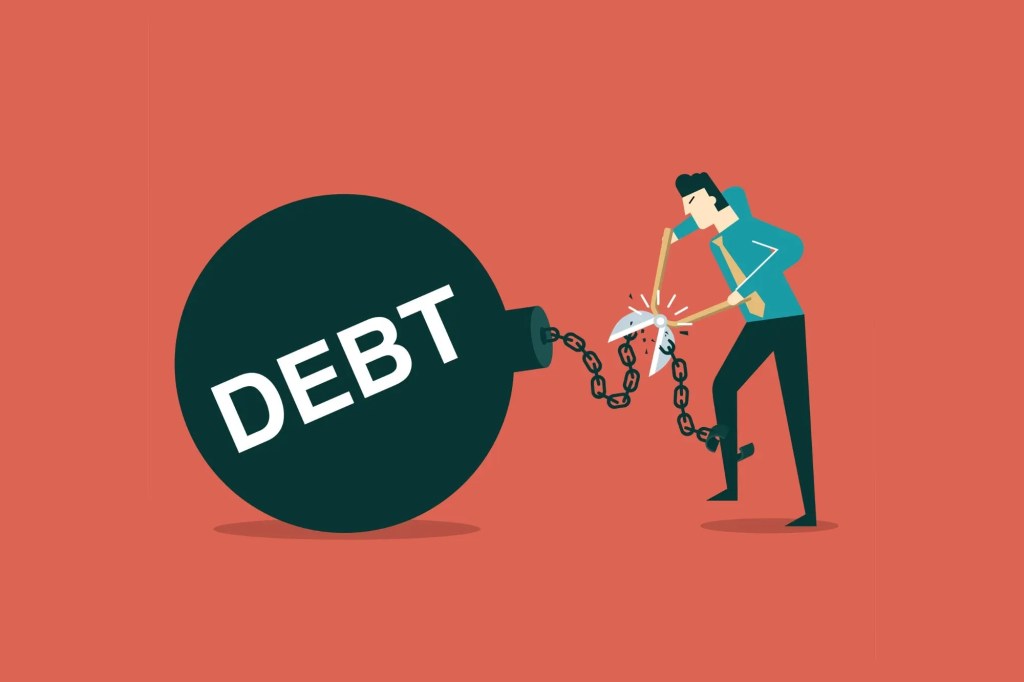
Debt Has Always Been Part of How People Live
It is easy to think of debt as a modern mess, something tied to credit cards, online checkout buttons, and monthly subscriptions. But borrowing is much older than all of that. Human societies have long used credit, obligation, and repayment as tools for trade, survival, and growth. In other words, owing and lending are not strange exceptions to economic life. They are built into it.
That historical perspective matters because it softens the personal shame people tend to carry. If debt has existed across centuries, cultures, and classes, then it cannot only be the result of individual weakness. It is also part of how communities function, how businesses expand, how households bridge gaps, and how people invest in futures they cannot fully pay for upfront.
Even now, finance connects households, businesses, and larger systems in ways that are impossible to separate cleanly. The World Bank notes that household and business finances are deeply linked to wider economic conditions, which means debt is not just a private issue. It is part of a bigger structure that affects and reflects the health of entire communities. Why finance matters for households and businesses helps show how borrowing fits into that larger picture.
Shame Makes Debt Harder to Face
One of the most damaging things about debt is that it often pushes people into silence. When money trouble feels embarrassing, people avoid opening statements, delay conversations, and put off decisions that could actually help. The debt remains financial, but the stress becomes psychological.
That pattern is common. The American Psychological Association has reported that money is a major source of stress for many people, and debt can also bring shame, fear, isolation, and tension in relationships. In some cases, people withdraw socially because they feel judged or because they cannot keep up with the costs of ordinary life. APA’s overview of money and stress reflects how closely financial pressure and emotional well being can be tied together.
This is where reframing matters most. Shame tells you that debt says something final about who you are. Clarity says debt is information. It may be urgent information. It may require major changes. But it is still information, not identity.
When people stop treating debt like a moral stain, they often become more capable of dealing with it. They can sort what is owed, what is overdue, what is negotiable, what is high interest, what can be restructured, and what kind of help makes sense. That is not denial. It is actually the opposite. It is a more honest relationship with reality.
A Balance Sheet Cannot Measure Human Worth
There is a habit in modern life of turning everything into a score. Credit scores, net worth, income brackets, market value, productivity, social reach. Because numbers are easy to compare, they start to feel like truth.
But they only tell a narrow story:
- A person can carry debt and still be responsible.
- A person can be behind and still be trying.
- A person can make a decision that becomes expensive later without being foolish.
Most adults can point to some moment when they made the best choice they could with limited time, limited information, or limited options.
Sometimes debt comes from optimism. Sometimes it comes from caregiving. Sometimes it comes from trying to start over. Sometimes it comes from believing that education, transportation, housing, or entrepreneurship will pay off later. These are deeply human motives. They are not signs of moral collapse.
That does not mean every debt decision is wise. Some are avoidable. Some are impulsive. Some reflect systems that encourage people to spend now and worry later. But even then, shame is rarely the best teacher. Shame tends to narrow attention. It makes people freeze, hide, or swing between panic and avoidance. A calmer view creates room for better judgment.
Debt Is Often About Timing, Not Failure
A useful way to think about debt is as a timing problem. Money is needed now, while income arrives later, unevenly, or not enough at once. That gap can happen to almost anyone. A business owner may have invoices out but payroll due today. A parent may have rent due before the next check clears. A student may have long term earning potential but no immediate cash. The timing gap is real, even when the person is hardworking and capable.
This perspective can be surprisingly freeing. If debt is partly about timing, then the question changes. Instead of asking, “What is wrong with me?” you start asking, “What conditions created this gap, and what tools can close it?” That question is more practical, more compassionate, and much more likely to lead somewhere useful.
It also makes room for strategy. You can review cash flow, prioritize obligations, contact creditors, seek professional guidance, negotiate terms, or change spending patterns without layering on the extra burden of self contempt.
Clarity Is More Useful Than Self Punishment
Many people believe that being hard on themselves will keep them responsible. In reality, self punishment often burns energy that would be better spent on action. It can feel productive to replay mistakes, but it does not lower interest, increase income, or organize a repayment plan.
Clarity does those things.
Clarity looks at the full picture.
- What is the total amount owed?
- Which balances cost the most?
- Which payments are threatening essentials like housing, food, or operations?
- What can be paused, cut, renegotiated, or consolidated?
- What support is available?
- Which habits truly need to change, and which pressures were never fully in your control?
This kind of thinking does not excuse the problem. It makes the problem workable.
A Healthier Story Creates Better Decisions
The story you tell yourself about debt shapes what you do next. If the story is, “I am bad with money, and this proves it,” the future shrinks. If the story is, “I am facing a difficult financial reality, and I need a plan,” options start to appear.
That shift sounds small, but it changes everything. It replaces humiliation with observation. It turns a private sentence into a solvable challenge. It allows you to be accountable without being cruel to yourself.
Debt is serious. It can strain mental health, relationships, and daily stability. But it is not a final definition of a person. It is one chapter in a life that still includes judgment, resilience, work, love, learning, and change.
The goal is not to pretend debt is harmless. The goal is to stop giving it authority it does not deserve. A number can demand attention. It cannot determine dignity. Once that becomes clear, people are often better able to make the kind of grounded decisions that actually move them forward.

Axee Davies is the founder of AxeeTech, publishing gaming guides, codes, and Windows how-tos since March 2013. A tech enthusiast for 13+ years — starting with smartphones and Android rooting — he now runs a site that puts out a new guide every day for Roblox players, traders, and Windows users. More about AxeeTech
More How to You May Like
 Top 3 Free online MBOX to PST Converters
 Windows Resource Protection Could Not Start the Repair Service
 Night Light Not Working in Windows 11: 7 Easy Fixes
 Windows 11 Update Stuck at 46%: 7 Proven Fixes
 Start Menu Not Working in Windows 11: 7 Fixes That Work
 Repair Windows 10 From USB: 7 Step-by-Step Fixes
 BitLocker Waiting for Activation: 6 Fixes That Work
 Windows RE Image Was Not Found: 6 Fixes That Work [Repair Builder]