Computer Vision Libraries Explained: Foundations of Machine Sight
Every time a phone unlocks with facial recognition or a factory camera flags a defect, computer vision is at work. Behind these capabilities sit computer vision libraries, the software toolkits that allow developers to transform raw pixels into meaningful insight.
As visual data becomes central to industries from healthcare to transportation, these libraries have become essential building blocks for intelligent systems. Understanding how they function reveals why they play such a pivotal role in modern technology.
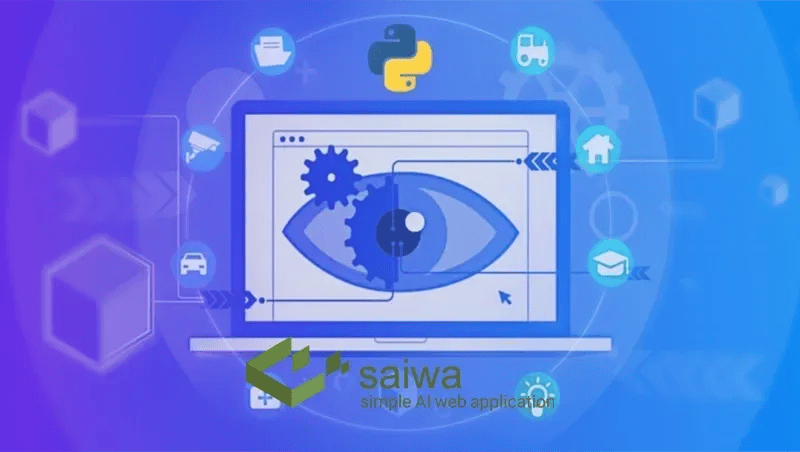
What Exactly Is a Computer Vision Library?
A computer vision library is a collection of prewritten algorithms, models, and utilities designed to help software interpret images and video. Instead of building image processing logic from the ground up, developers rely on these libraries to handle common and complex tasks efficiently.
At their core, these tools make it possible to:
- Load and manage image or video input
- Prepare visual data for analysis
- Detect patterns, shapes, or objects
- Apply machine learning models
- Output structured results that applications can use
From Pixels to Insight: How the Process Works
Computer vision libraries operate through structured processing pipelines. These pipelines transform raw visual input into actionable information step by step.
Step 1: Capturing Visual Data
Images can come from stored files, embedded sensors, live camera feeds, or streaming sources. Video adds a temporal dimension, requiring continuous frame processing.
Step 2: Preparing the Data
Before analysis begins, visual input is standardized. This may involve resizing, color space conversion, noise reduction, or normalization. Clean, consistent input improves downstream accuracy.
Step 3: Identifying Key Features
Libraries extract distinctive patterns such as edges, corners, textures, or regions of interest. In deep learning driven workflows, neural networks may learn these features automatically from training data.
Step 4: Interpretation and Modeling
Machine learning models classify objects, detect faces, segment scenes, or track movement. The system converts visual features into structured outputs such as labels, coordinates, or probabilities.
Step 5: Delivering Results
The final output can include bounding boxes, object counts, alerts, or metadata. Applications then use this information to trigger actions, generate reports, or inform users.
Video analytics introduces additional considerations such as frame sequencing, motion tracking, and real time responsiveness. Efficient resource management is critical when processing continuous streams.
Beyond Basic Libraries: Full Pipeline Frameworks
While traditional libraries focus on algorithmic components, newer frameworks provide end to end systems for deploying computer vision at scale.
One example is Savant, a high level Python based video analytics framework designed for real time industrial workloads. Built on technologies such as NVIDIA DeepStream and CUDA, Savant is optimized for GPU acceleration on hardware ranging from NVIDIA Jetson edge devices to data center GPUs.
Unlike standalone libraries, Savant enables developers to define entire processing pipelines declaratively using YAML or Python. These pipelines can include detection, classification, segmentation, tracking, and custom preprocessing steps. The framework handles data transport, buffering, monitoring, and scaling, allowing teams to move efficiently from prototype to production.
This approach bridges the gap between experimentation and operational deployment.
Capabilities Commonly Found in Vision Libraries
Although implementations differ, most computer vision libraries share a core set of features that make them versatile across applications.
Image and Video Support
Developers can process static images, recorded video files, or live camera feeds. Advanced frameworks also support RTSP streams and embedded camera modules for real time analytics.
Preprocessing Utilities
Resizing, filtering, denoising, and color transformations prepare data for accurate analysis.
Detection and Recognition
Modern systems integrate deep learning models capable of recognizing objects, faces, vehicles, or specific patterns. These models often run through optimized inference engines to maintain performance.
Feature Extraction
Traditional techniques such as edge detection and corner detection remain valuable for certain applications and are widely supported.
Hardware Acceleration
GPU acceleration through technologies such as CUDA or TensorRT significantly increases throughput, enabling high performance real time systems.
Machine Learning Integration
Many libraries integrate seamlessly with frameworks like PyTorch or TensorFlow, allowing custom neural networks to be deployed within vision pipelines.
Real World Applications Across Industries
Computer vision libraries have evolved from academic research tools into core infrastructure powering diverse sectors.
Healthcare
Medical imaging systems use computer vision to analyze X rays, CT scans, and MRI images, supporting clinicians with precise visual analysis.
Automotive
Advanced driver assistance systems and autonomous vehicles rely on object detection and lane recognition to navigate safely.
Manufacturing
Factories deploy visual inspection systems to identify defects, verify product quality, and ensure compliance with safety standards.
Retail and Security
Camera analytics count visitors, monitor activity, and enhance security operations.
Smart Cities
Urban infrastructure leverages video analytics to monitor traffic flow, detect incidents, and optimize public services.
Frameworks such as Savant are particularly well suited for these scenarios because they combine high performance inference with production ready monitoring and scalability features. Integration with observability tools allows developers to manage complex deployments with confidence.
Where Computer Vision Is Heading
The future of computer vision libraries is closely tied to advances in artificial intelligence and hardware acceleration. Transformer based vision architectures, increasingly efficient inference runtimes, and edge optimized deployment models are expanding what can be achieved in real time environments.
We are seeing systems capable of:
- Running advanced perception models directly on edge devices
- Processing massive video streams in cloud infrastructures
- Combining visual data with text and audio for multimodal reasoning
Modern computer vision frameworks are evolving into complete ecosystems that connect research innovation with industrial reliability.
A Critical Layer in Intelligent Systems
As visual information continues to shape how machines interact with the world, computer vision libraries remain at the core of that transformation. From foundational tools like OpenCV to scalable frameworks such as Savant, these technologies empower developers to create systems that perceive, interpret, and respond intelligently.
For teams building anything from experimental prototypes to high performance production platforms, selecting and mastering the right computer vision tools is a strategic advantage. As AI models grow more capable and hardware becomes more powerful, the importance of these libraries will only continue to rise, shaping the next generation of intelligent applications.

Axee Davies is the founder of AxeeTech, publishing gaming guides, codes, and Windows how-tos since March 2013. A tech enthusiast for 13+ years — starting with smartphones and Android rooting — he now runs a site that puts out a new guide every day for Roblox players, traders, and Windows users. More about AxeeTech
More How to You May Like
 Top 3 Free online MBOX to PST Converters
 Windows Resource Protection Could Not Start the Repair Service
 Night Light Not Working in Windows 11: 7 Easy Fixes
 Windows 11 Update Stuck at 46%: 7 Proven Fixes
 Start Menu Not Working in Windows 11: 7 Fixes That Work
 Repair Windows 10 From USB: 7 Step-by-Step Fixes
 BitLocker Waiting for Activation: 6 Fixes That Work
 Windows RE Image Was Not Found: 6 Fixes That Work [Repair Builder]